The House System
When they join the school, our pupils are placed into one of four Houses named after notable figures with connections to Twickenham – Montagu, Pope, Swift and Singh.
The House system offers our pupils the opportunity to thrive through competitions in the arts, sport and all-round achievement, with House allegiance and identity fostered throughout the school. Each House is led by a member of staff as the Head of House, whose role is to encourage everyone to contribute to the collective success of their House and to get involved wherever they can as they compete for the annual House Shield.
House Captains and House Ambassadors are appointed for each House and are given opportunities to benefit from leadership training. They are encouraged to organise and co-ordinate their fellow pupils and to use their initiative to help with competitions and fundraising activities throughout the school year.
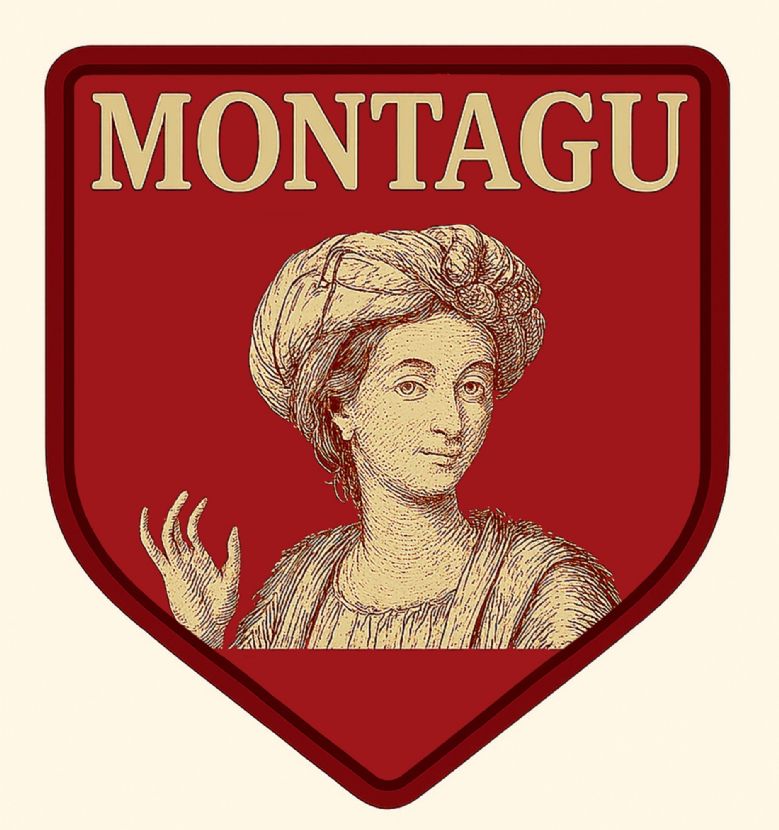
Montagu House
Lady Mary Wortley-Montagu was a woman who defied convention, most memorably by promoting smallpox inoculation to Western medicine after witnessing it during her travels across the Ottoman Empire. She had to educate herself, as her father did not see the value in an education for women. In 1721 she stayed in Savile House which was on Heath Road, Twickenham, to escape the smallpox epidemic in England.
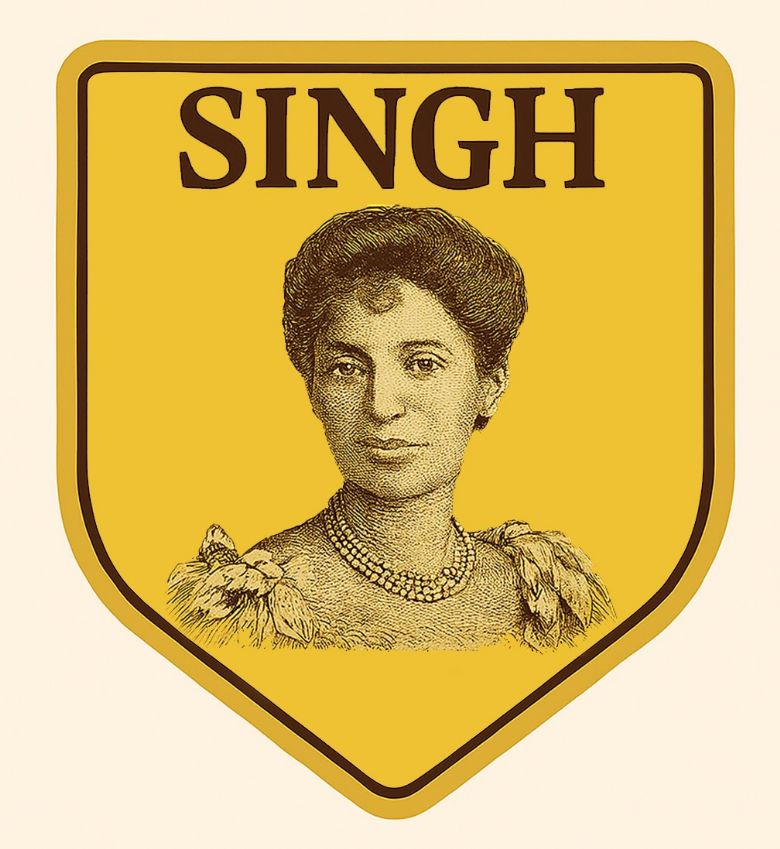
Singh House
Daughter of the last Maharajah of India, Princess Sophia Duleep-Singh (1876-1948) was also the goddaughter of Queen Victoria. She lived in an apartment near Hampton Court and was a high-profile suffragette; you can see the blue plaque on the house today. She used her wealth and privilege to advocate not only for women’s rights but for others whose voices were not heard.
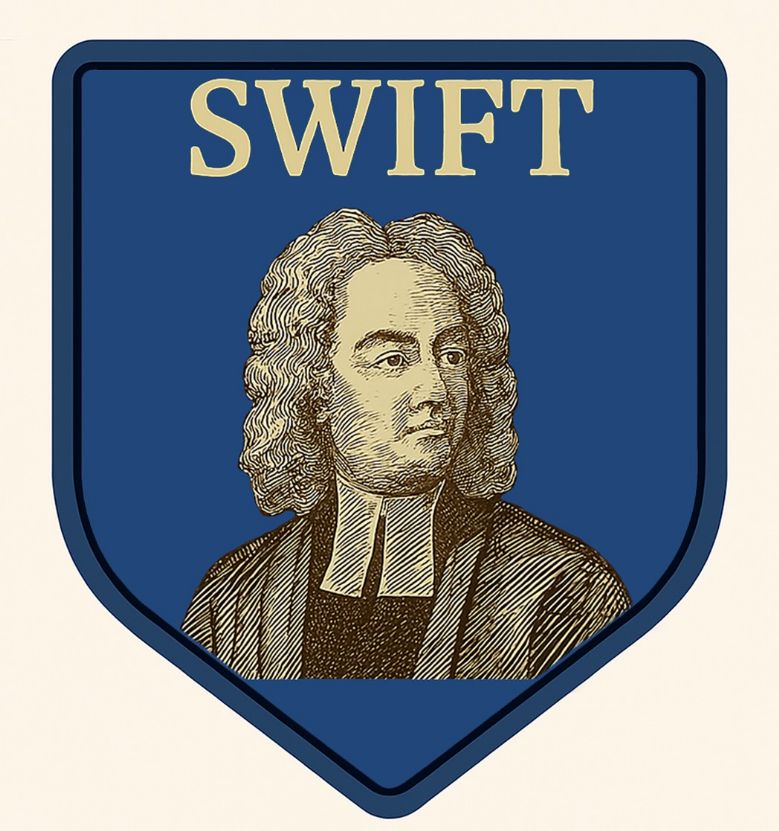
Swift House
Jonathan Swift was an Anglo-Irish satirist, essayist, poet and cleric, best remembered for his work ‘Gulliver’s Travels’. He was a regular visitor to Pope’s house in Twickenham and he became active in the government politics of the day. On his return to Ireland, he was appointed as Dean of St Patrick’s Cathedral.
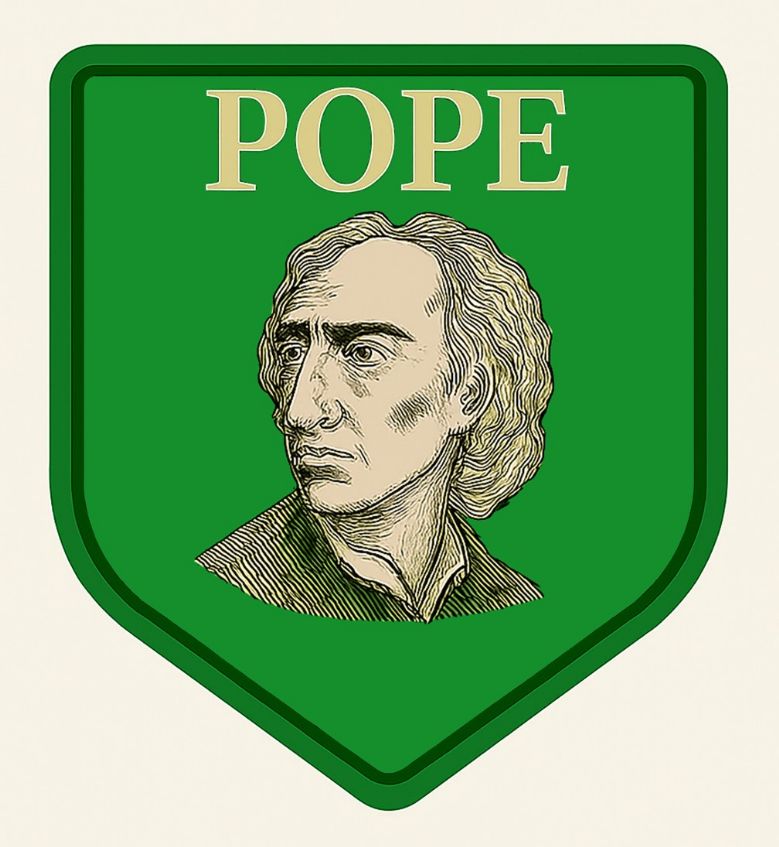
Pope House
Alexander Pope was a poet, translator and satirist of the Enlightenment era who is considered one of the most prominent English writers of the early eighteenth century, best known for his satirical and discursive poetry and for his translations of Homer. He came to Twickenham in 1719, where he oversaw the construction of a house on the site of the current school and designed a famous garden that was connected to the house by an underground passage that became known as Pope’s Grotto.